
Our arrival at Beppu was much later than most of the previous ports and at 10:00 it paved the way for a more relaxed start to the day. We kept with our usual timetable and found the buffet more or less empty, but by the time we left it was starting to get really busy so I think we made the right decision.
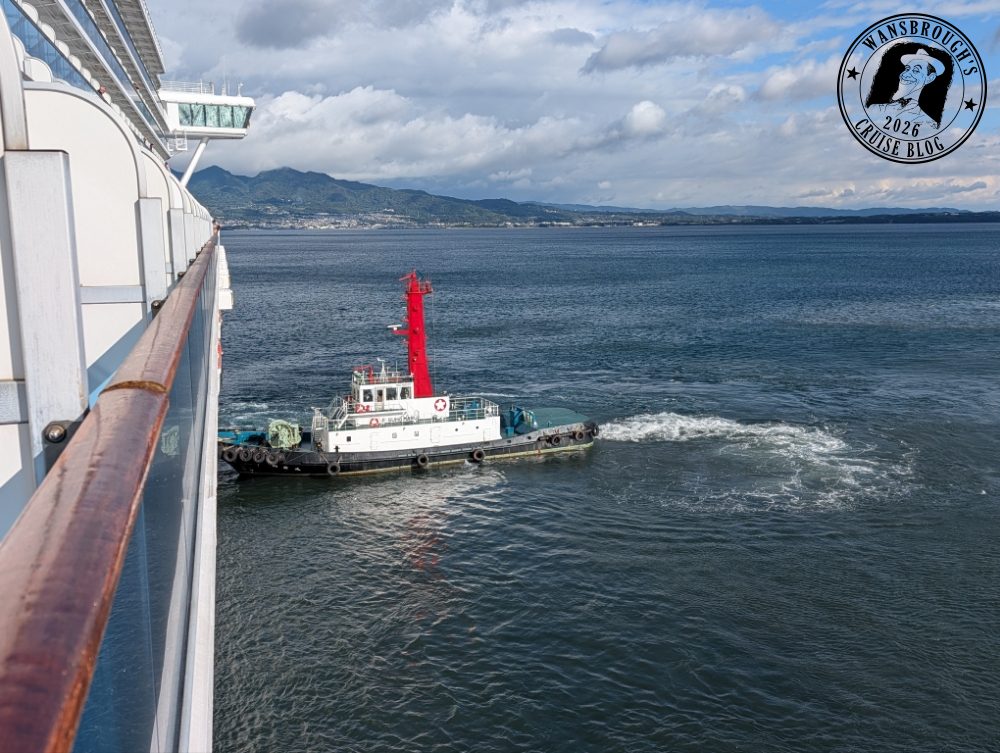
Getting the ship tied down when we arrived was a bit of a task, because of the open location of the port, it was very exposed to the wind and we needed two tugs to assist with pushing us in and holding us there until tied up.
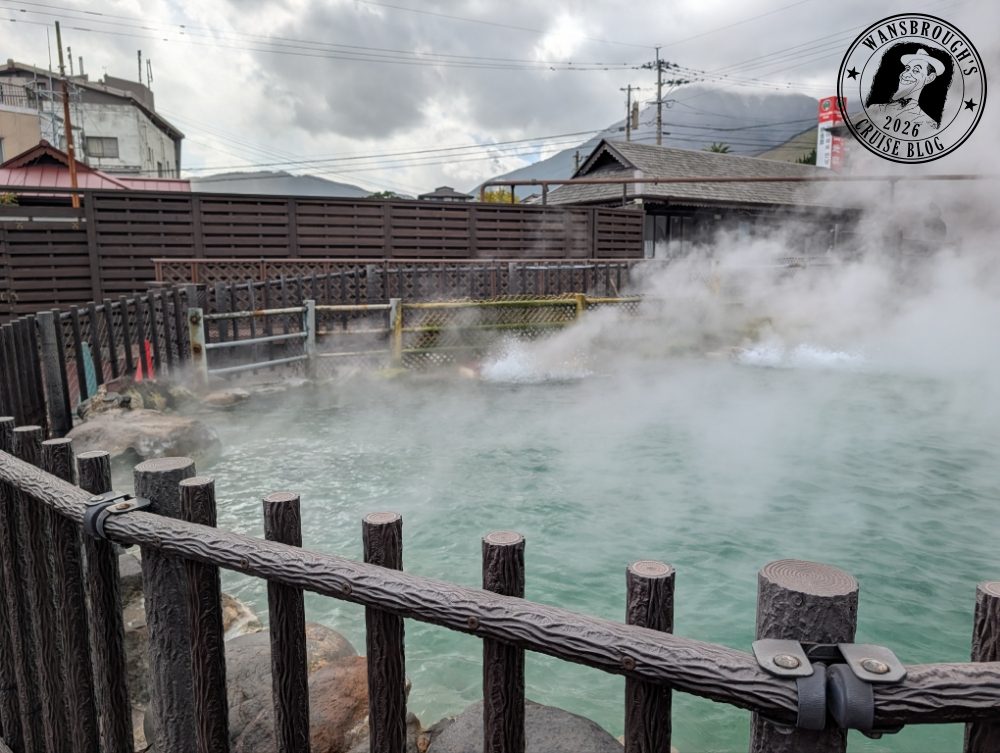
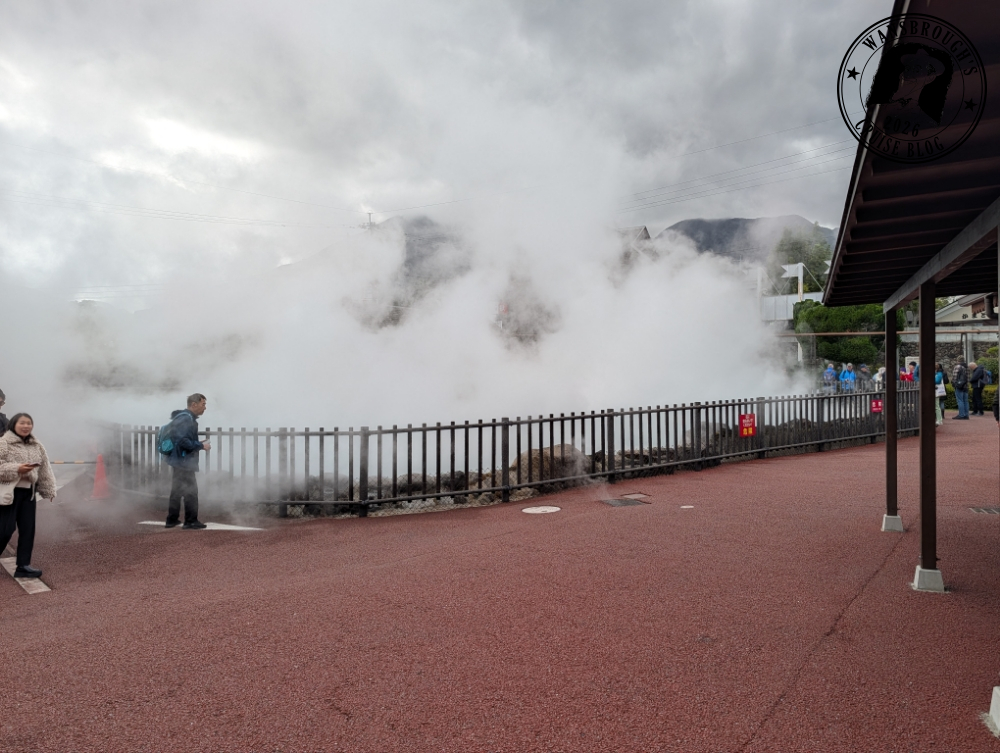
When we eventually got ashore, we set about our plans for the day which were to visit the 7 Hells of Beppu which are a circuit of seven vivid, steaming geothermal springs in Beppu. They are far too hot for bathing or swimming as their average temperatures are between 78°C to 105°C. We decided to go to the furthest out first then work our way back.
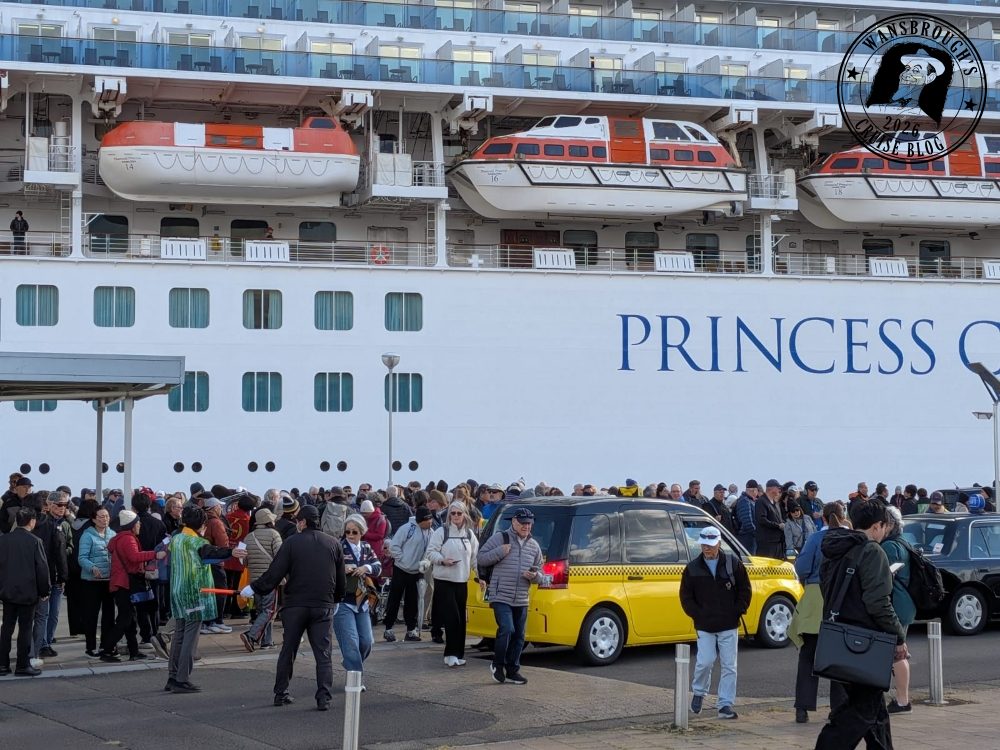
When we exited the terminal there was a lengthy queue for taxis so once again I was able to book an Uber which arrived in under 10 minutes so once again, I felt quite smug as we set off on our way. An added bonus was I was able to get a 50% discount on the fare which ended up costing ¥1175 (£5.68).
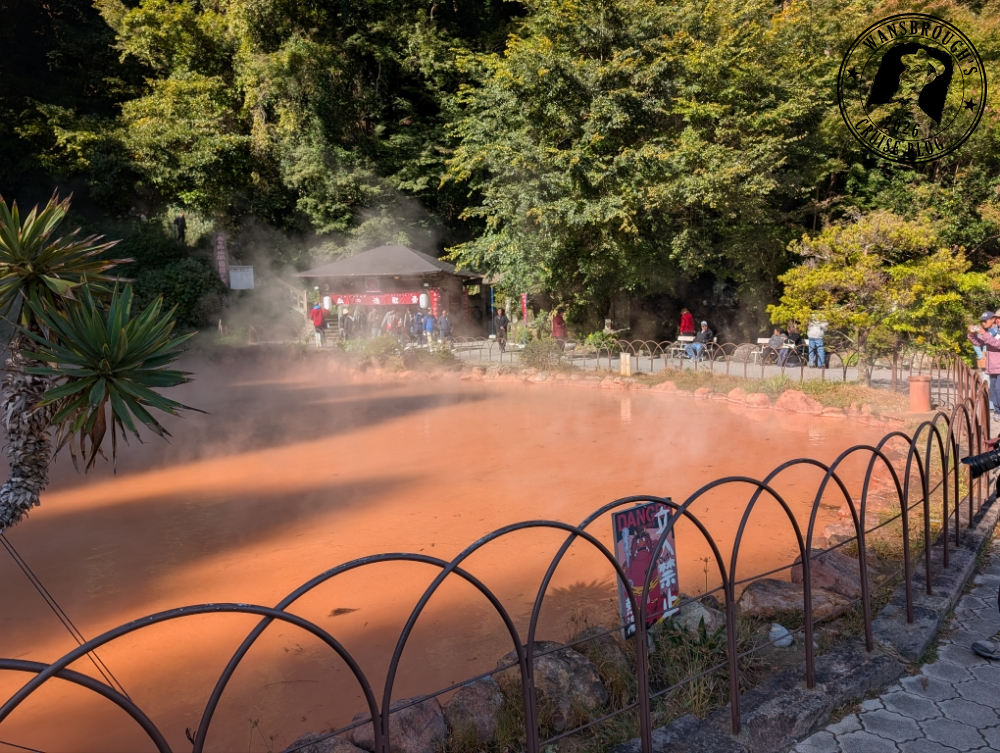
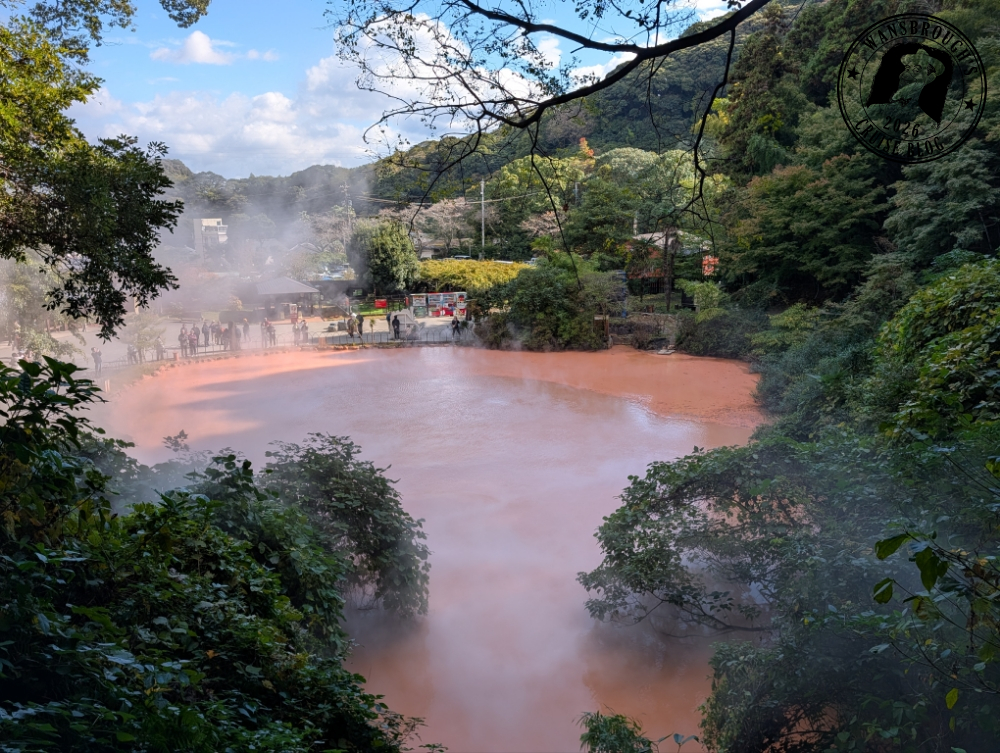
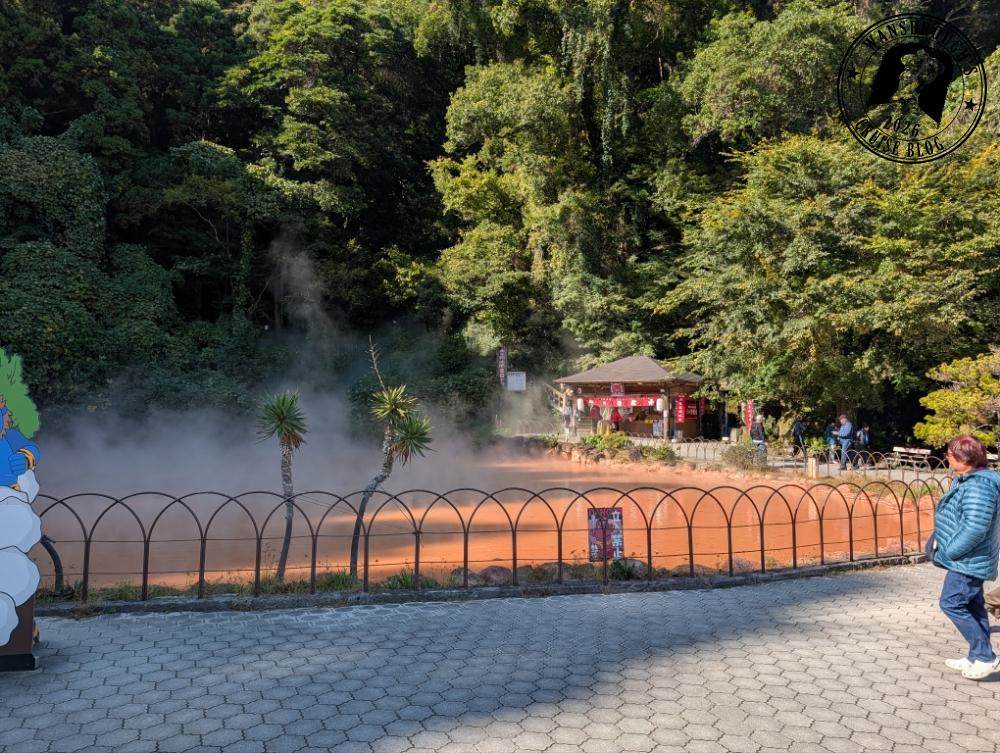
The journey was 3 miles and took 12 minutes. We arrived at the first one is known as Chinoike Jigoku (Blood Pond Hell) and is recognized as Japan’s oldest natural hell. It wasn’t too busy and we enjoyed being able to walk around quite freely.
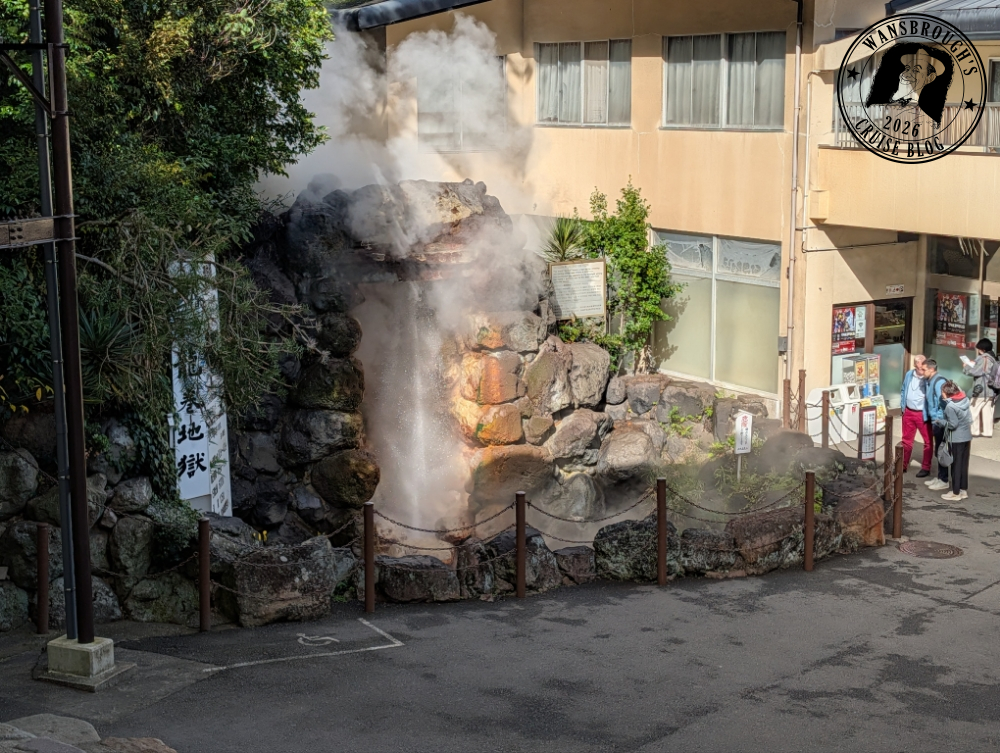
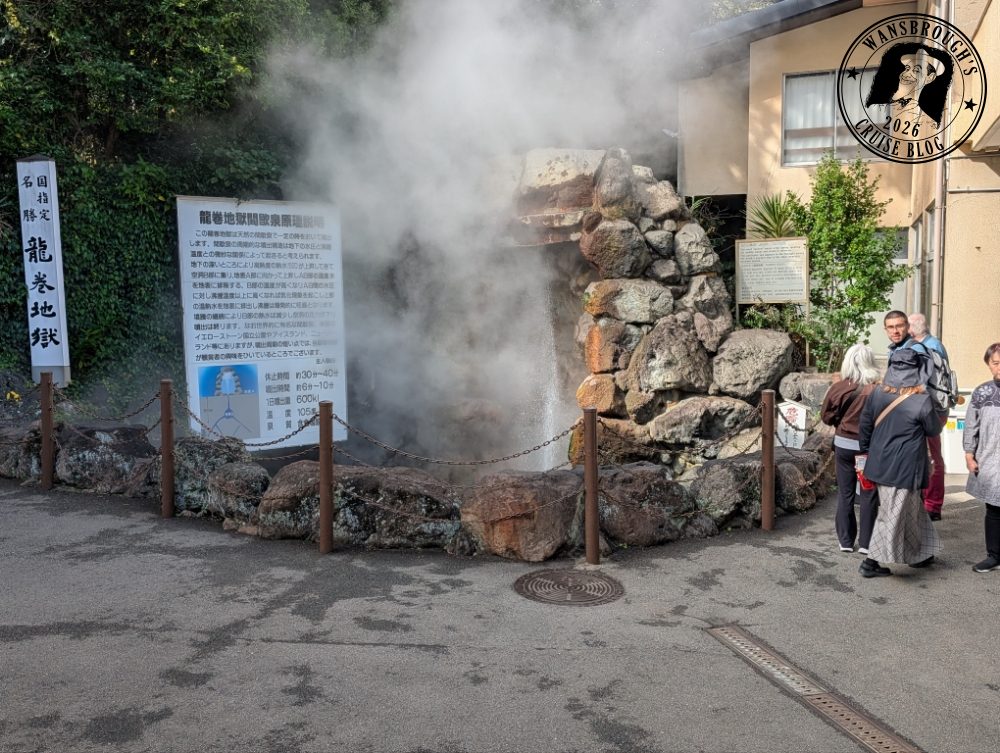
The second was called Tatsumaki Jigoku (Tornado Hell) and is an intermittent geyser that erupts every 30 to 40 minutes for about 6 to 10 minutes. Underground thermal water reaches around 150°C with spring steam around 105°C.
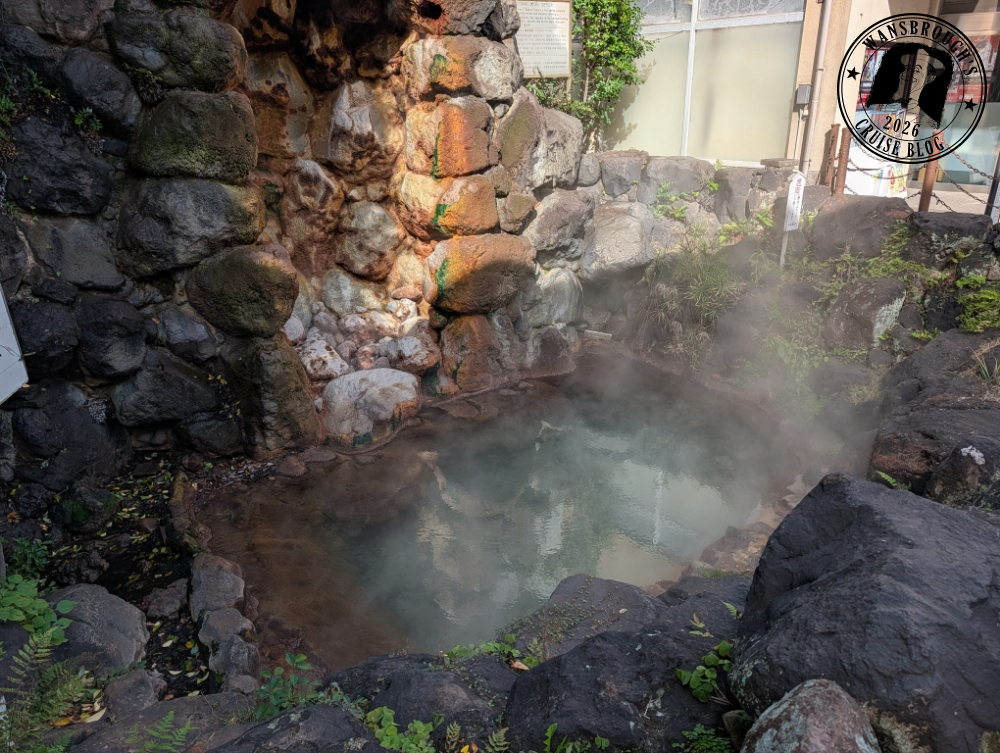
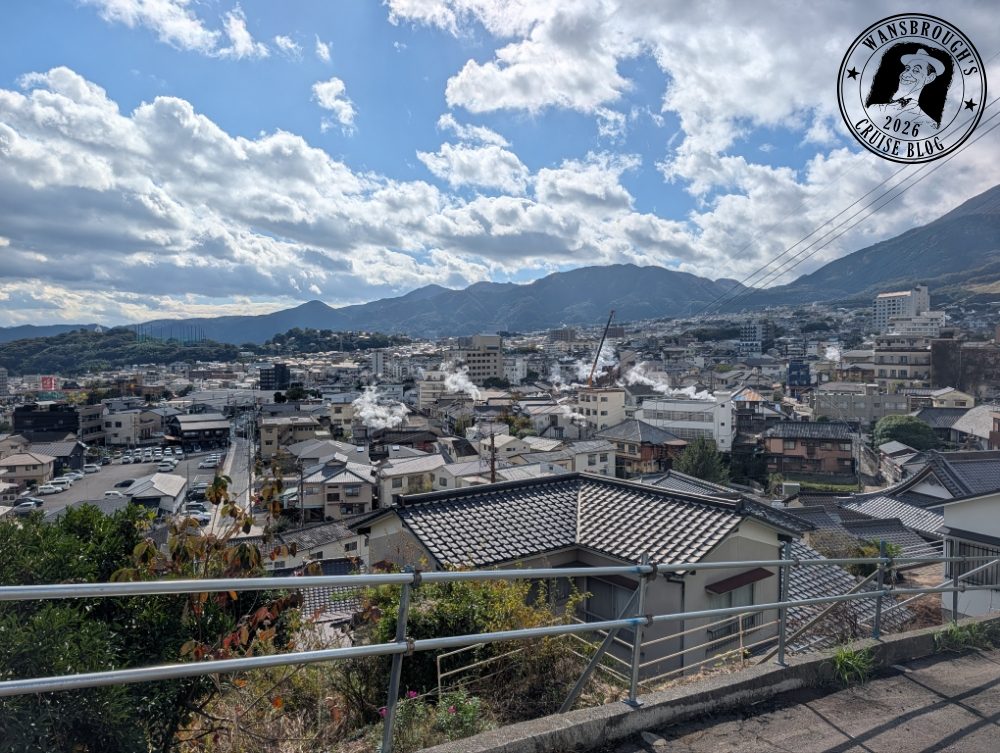
The hells are in two separate areas of Beppu, and Google Maps told us that it was a 37-minute walk between them, so we decided to walk instead of taking an Uber. It was mostly uphill and hard on the legs, but it did provide a photo opportunity along the way to see lots of different steam vents coming out of the properties below.
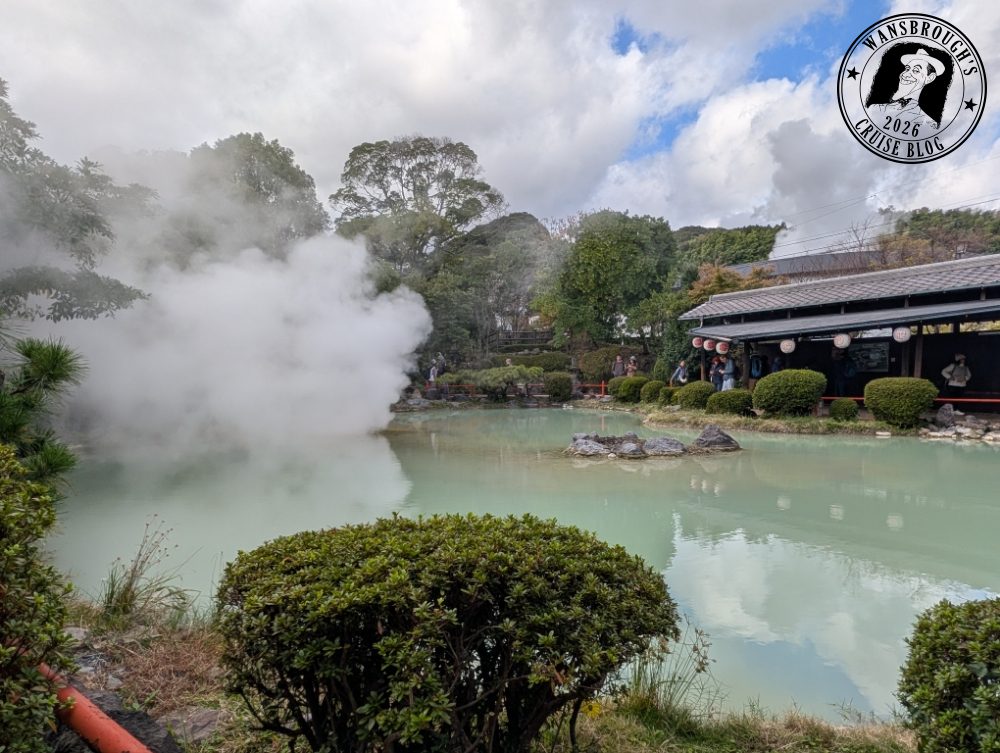
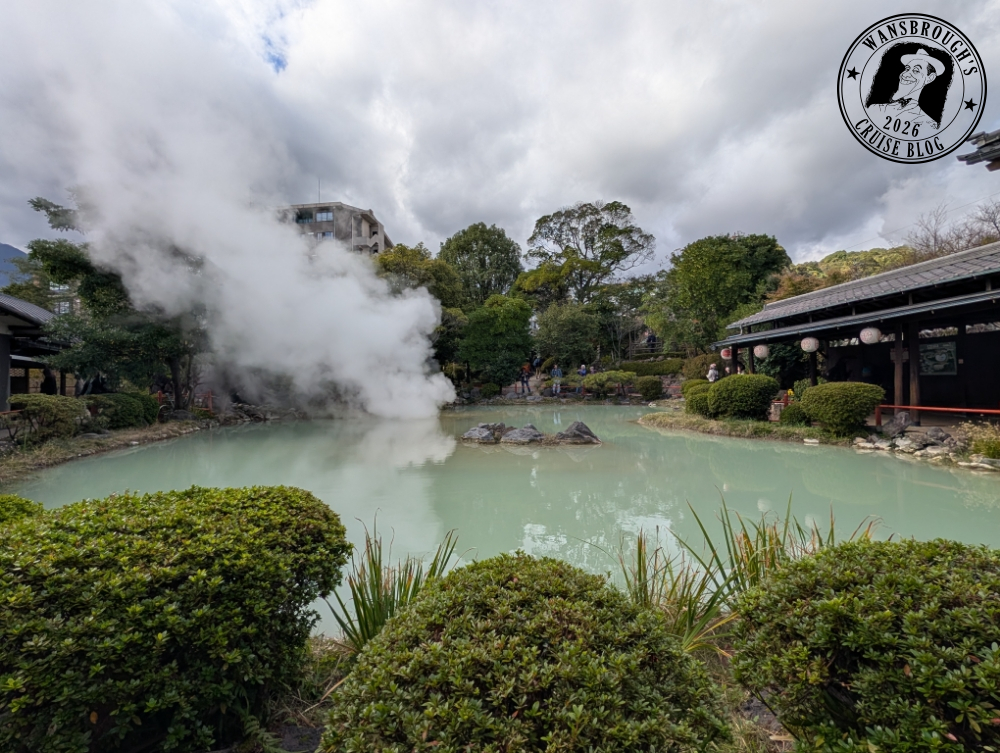
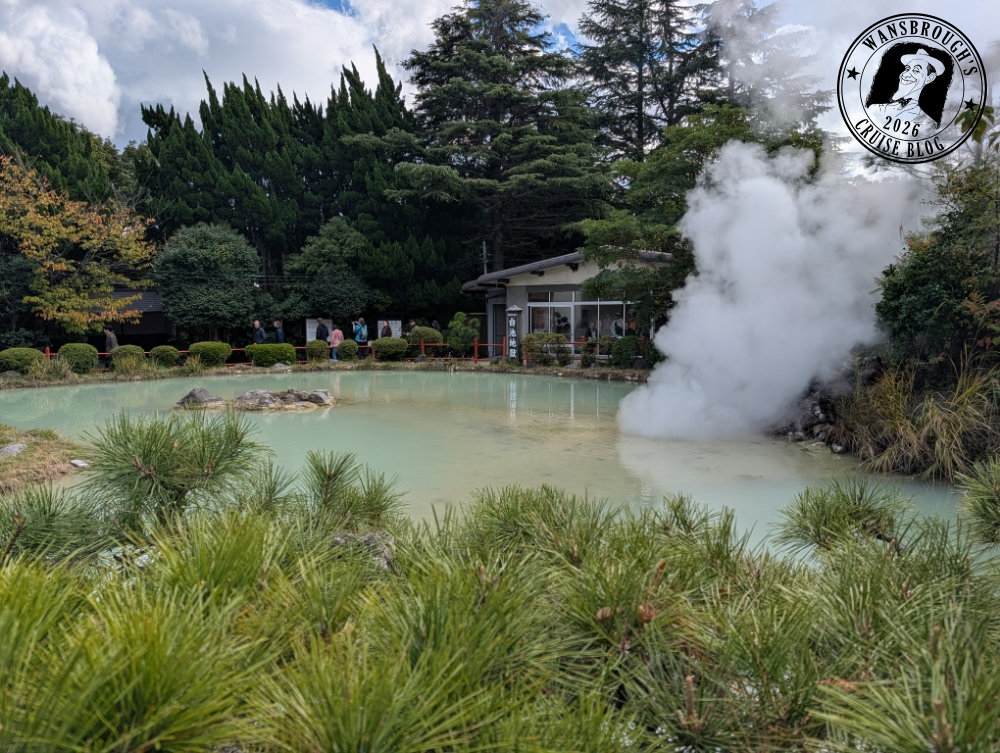
The first hell at in the other area was called Shiraike Jigoku (White Pond Hell) and known for its tranquil Japanese garden and milky, bluish-white water
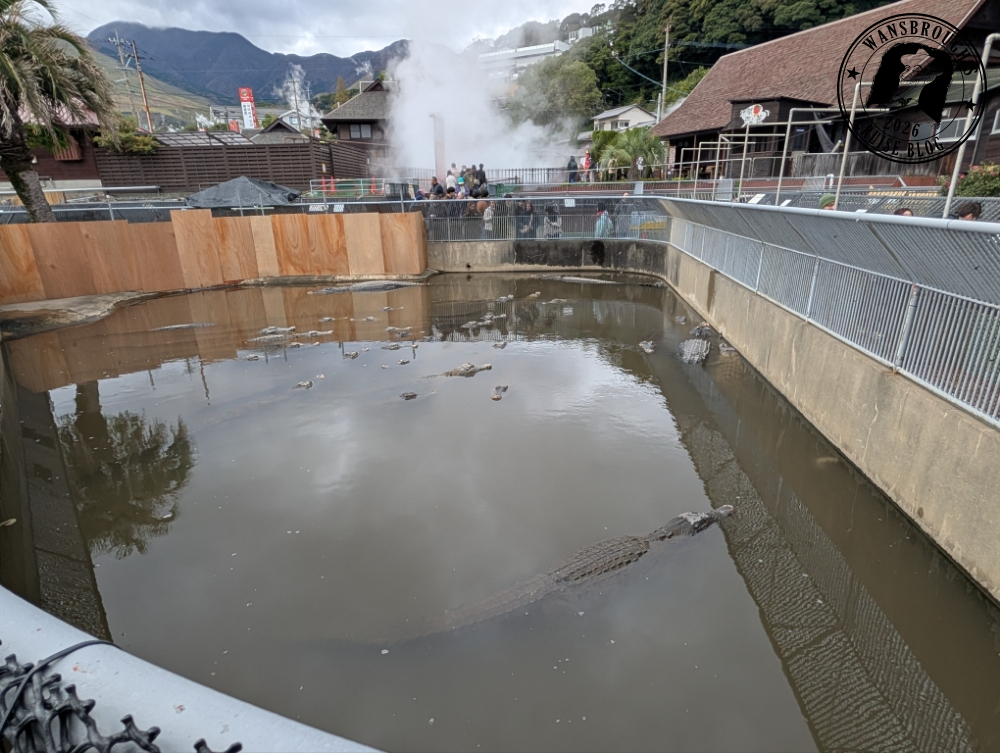
Number 4 was called Oniyama Jigoku, (Crocodile Hell) and is famous for breeding crocodiles and alligators using the natural thermal heat.
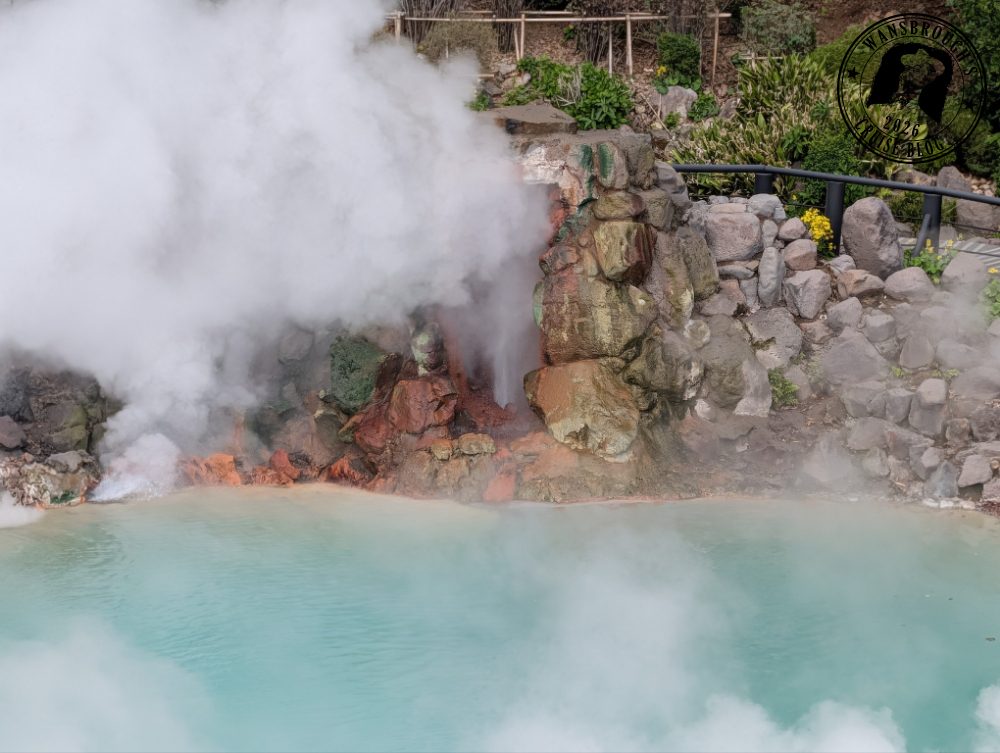
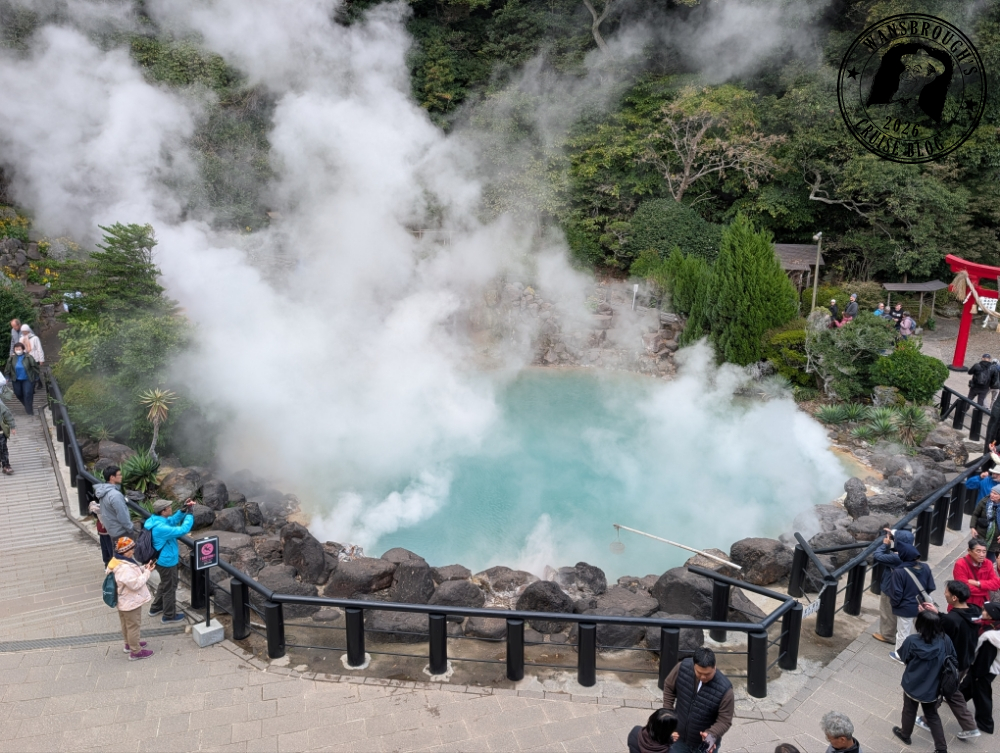
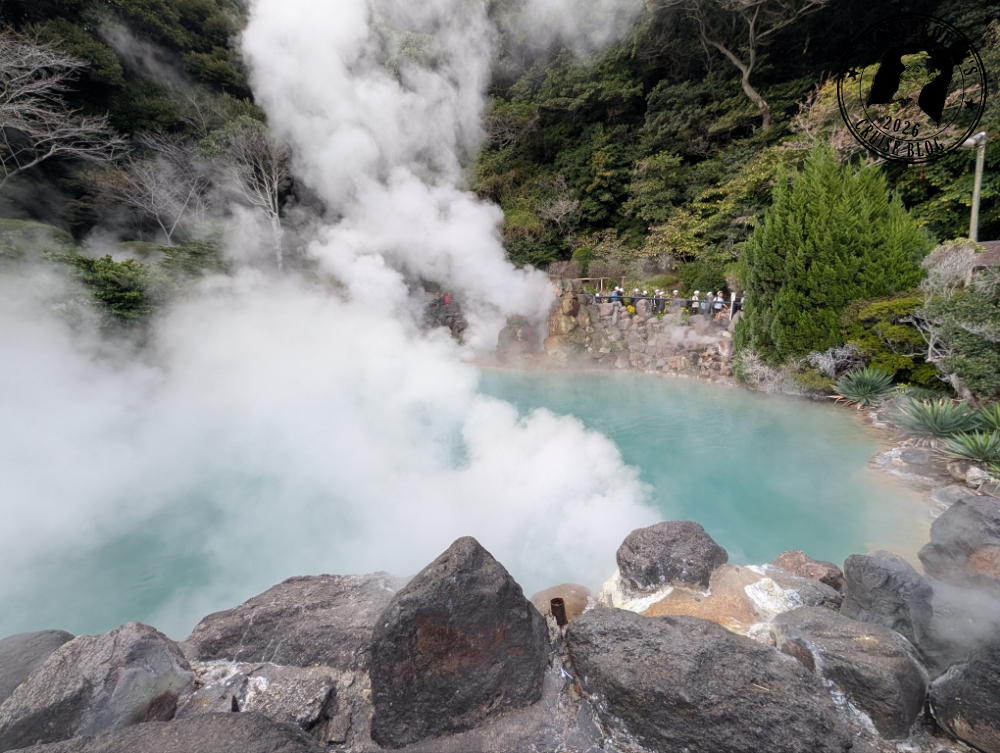
Number 5 was called Umi Jigoku, (Sea Hell) is a boiling cobalt-blue hot spring.
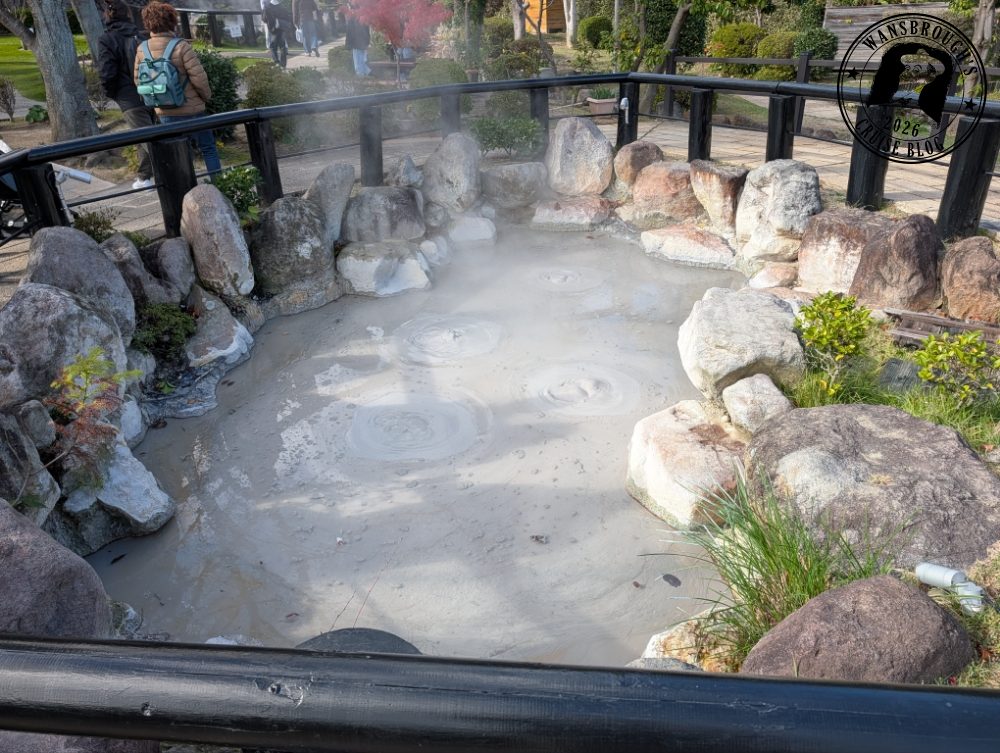
Number 6 was called Oniishi Bozu Jigoku (Muddy Monk Head Hell) is famous for pools of boiling gray mud whose bubbles resemble the shaven heads of Buddhist monks
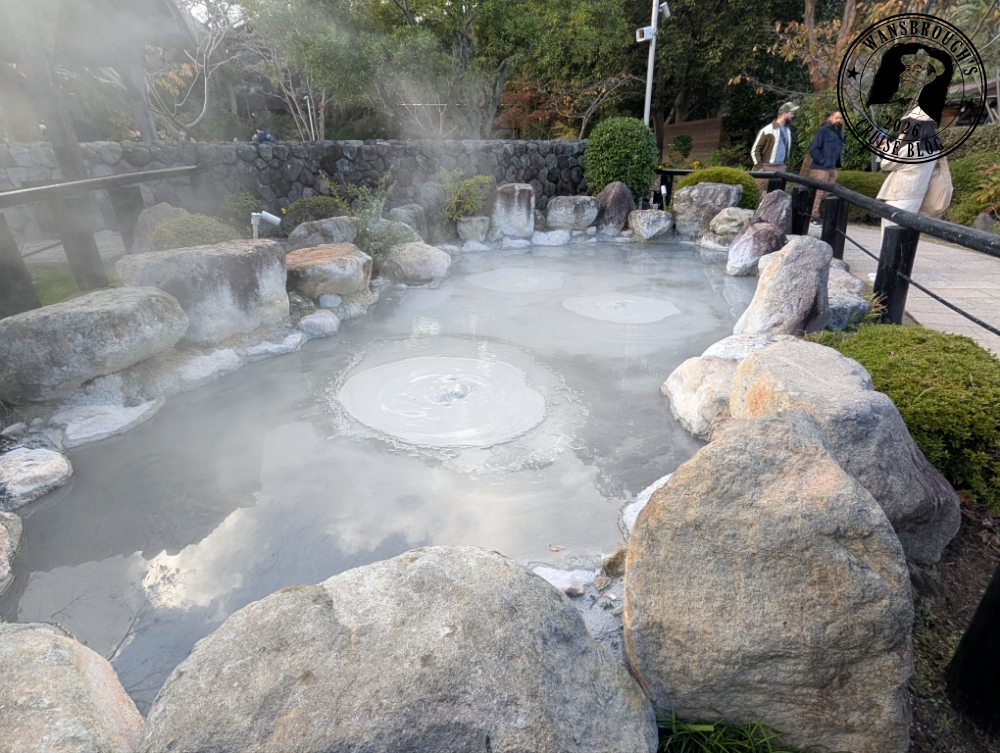
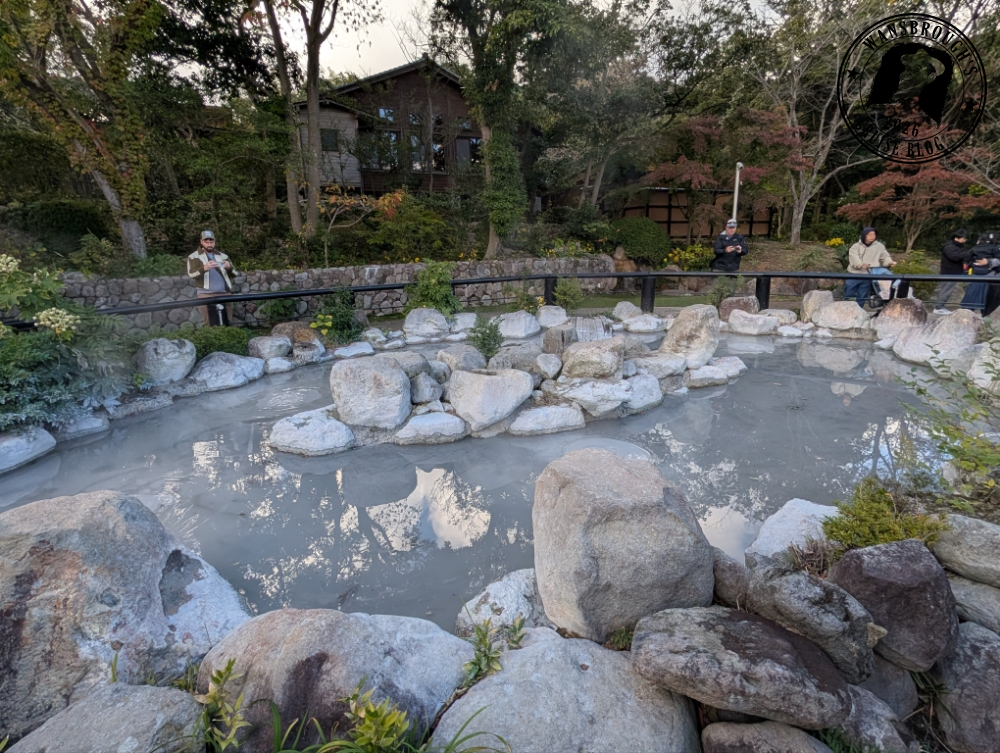
The last and number 7 was called Kamado Jigoku (“Cooking Pot Hell”) featuring six distinct geothermal areas packed with varied pools and interactive stations in one compact spot.
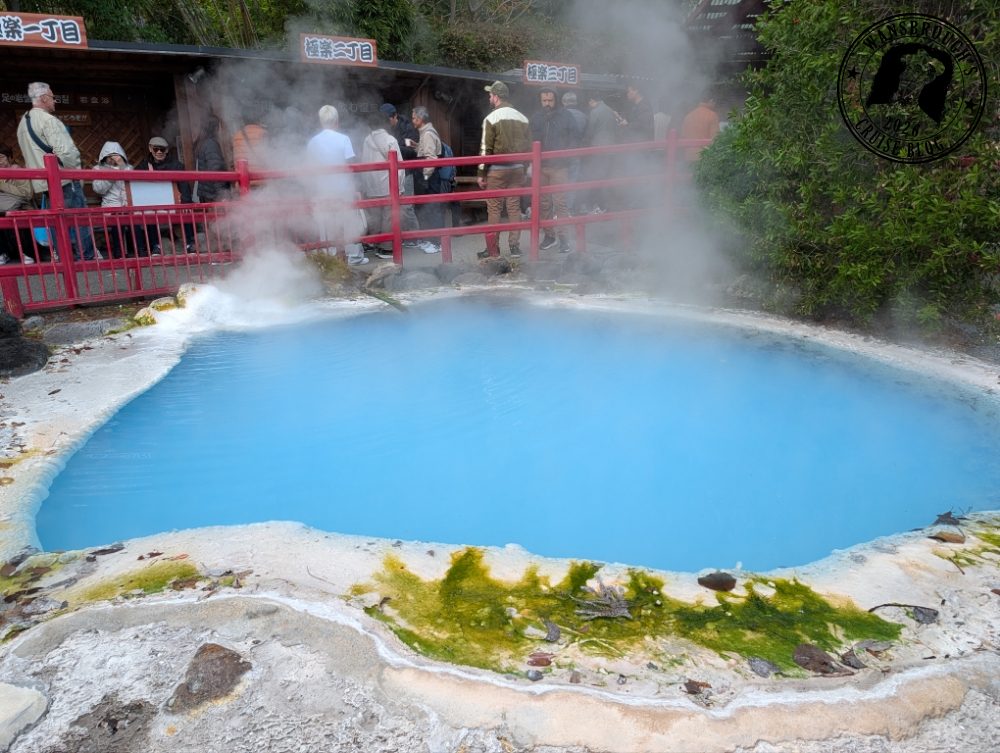
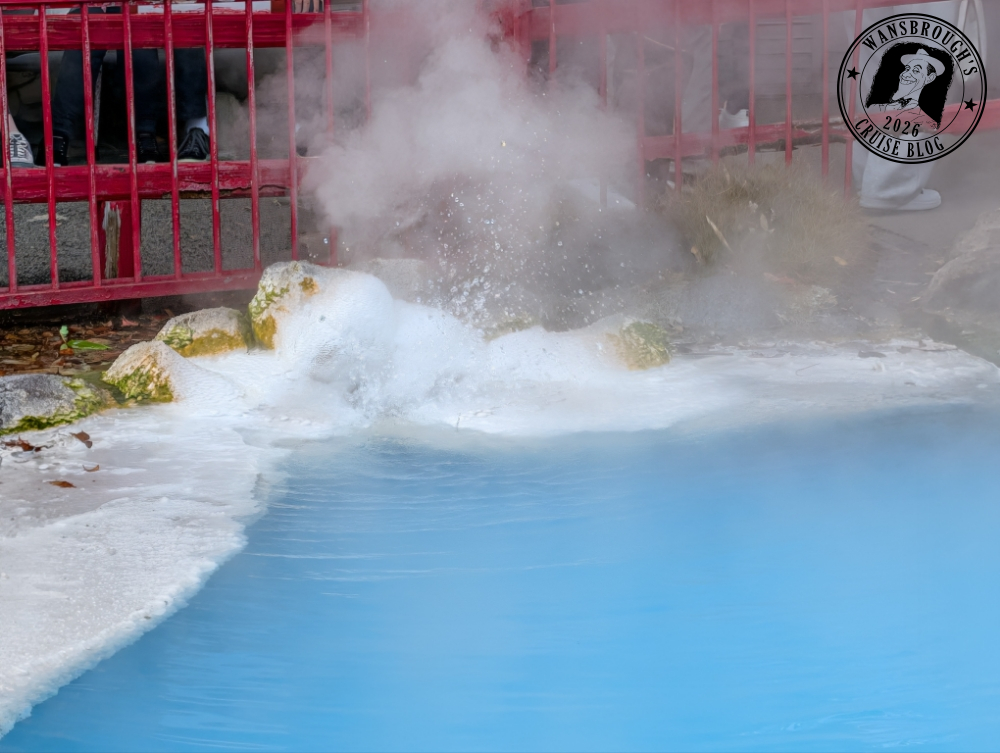
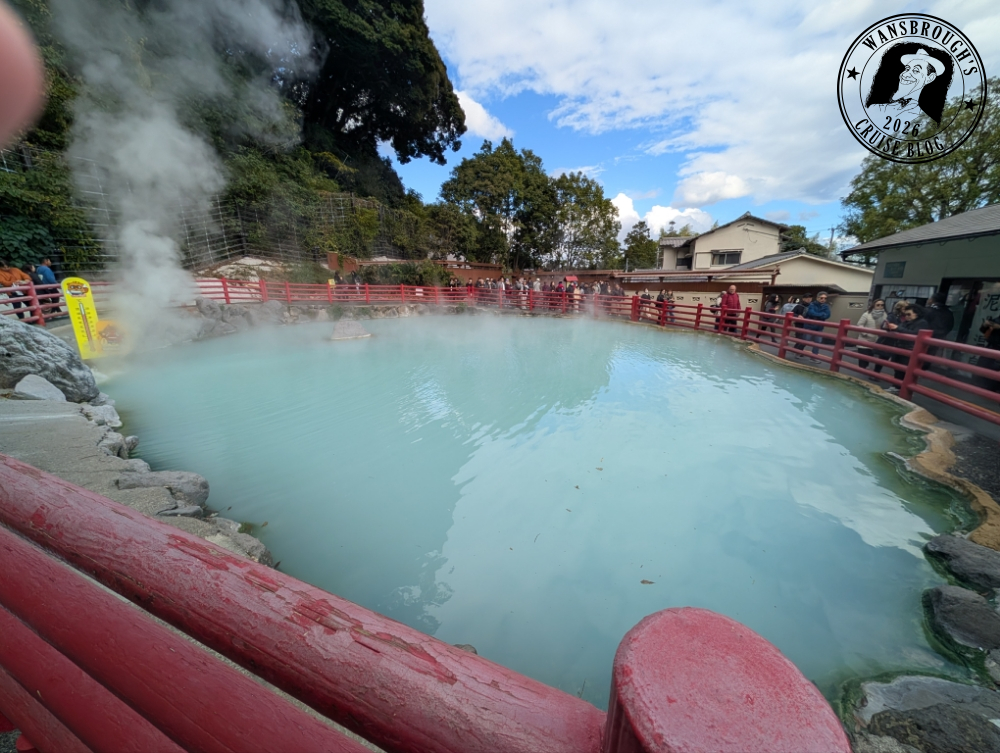
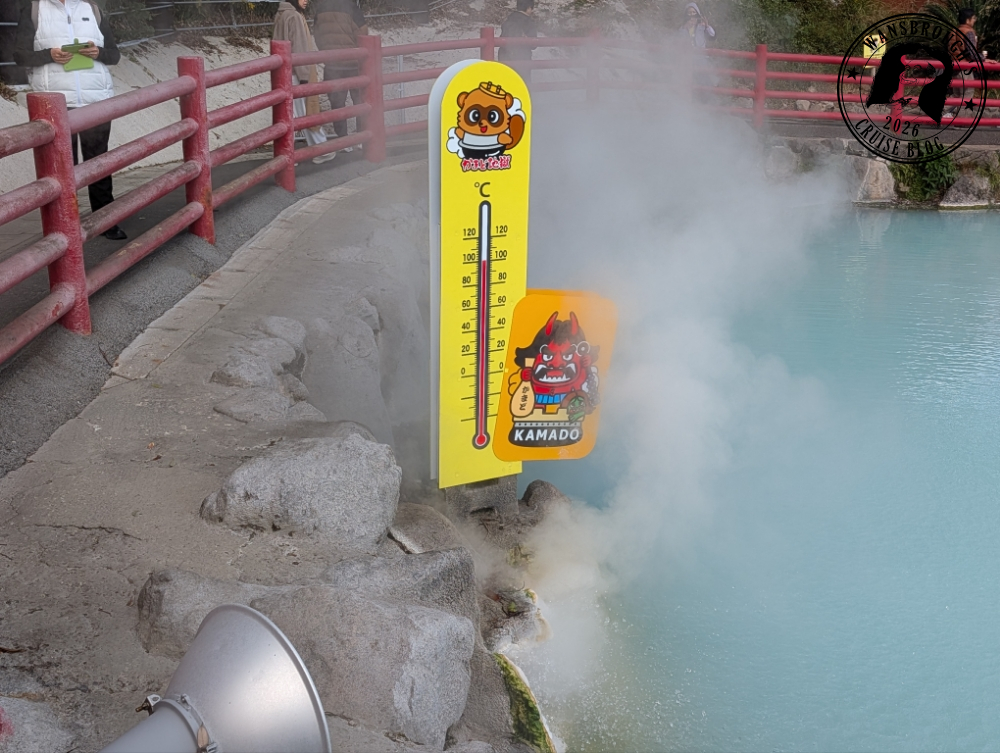
This last one was very Disney and I was glad it was the last and not the first. We again consulted Google maps to see how far it was to walk back to the ship, it reckoned on 2 miles with a journey time of 44 minutes so being as it was all down hill we went for it and arrived back just before 3:00pm.
By the time I had finished lunch, my Fitbit had recorded 20,000 steps for the day.
So, Uber was £5.68 and the tickets for the 7 Hells were ¥4800 (£22.98) for both of us. A total of £28.66 compared to the $99 per person for the ships tour which didn’t cover all seven hells. All in all another great day out and I can proudly say, I’ve been to hell and back.
Fitbit Steps 21,716
You can laugh at all the hells but here in the US, we have been in hell for a while. We are seeing the light at the end of the hell tunnel and we have someone we would like to throw into the crocodile hell. 🤣
All that said, looks like an awesome day with lots to see that wasn’t red. I guess this port did not get the message that everything needed to be red. 😀
Carry on!